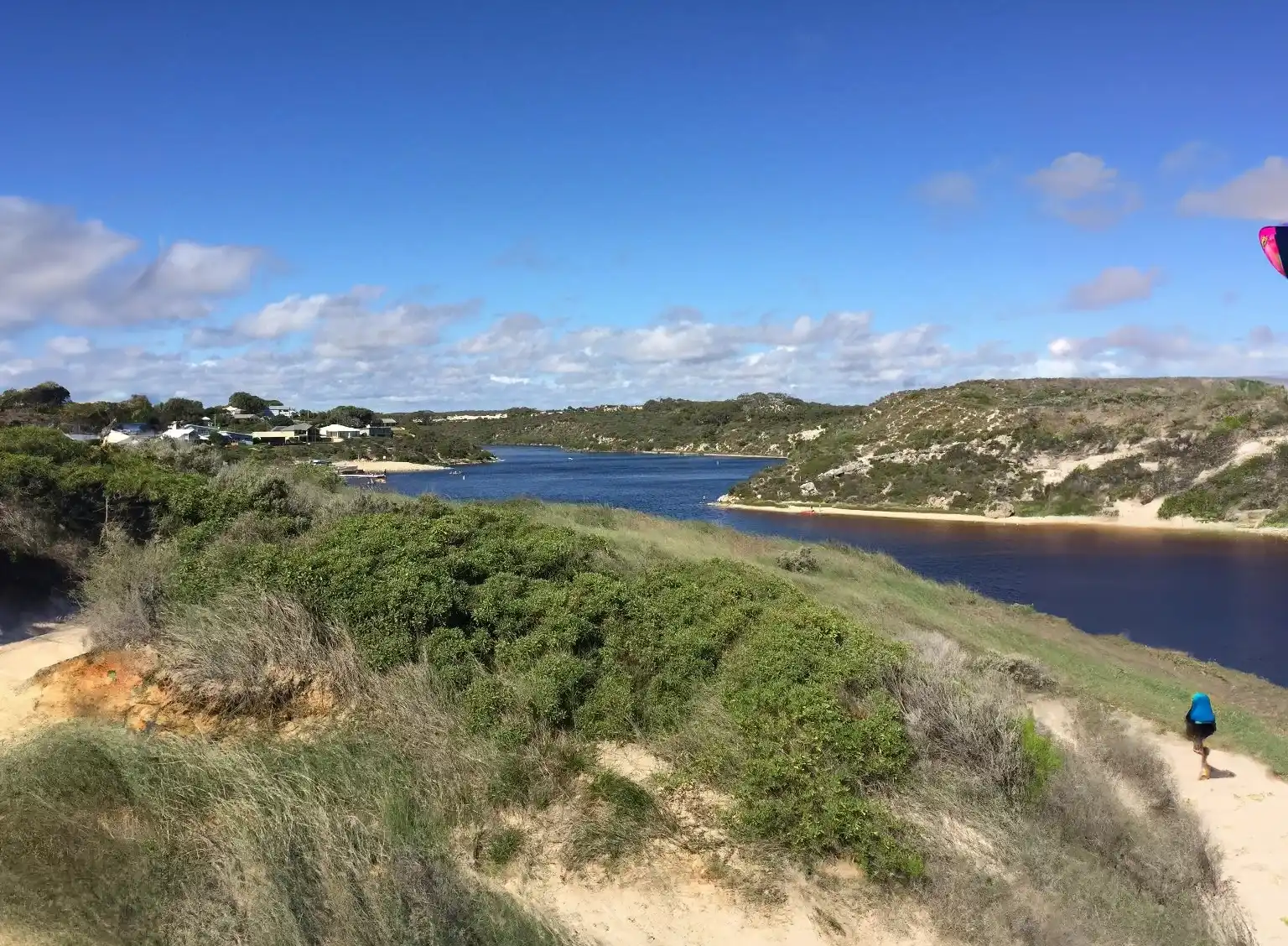
Seabird Holiday Park Campsites
Are you looking for a unique camping experience near the Western Australian coastline? Seabird Holiday Park Campground may be your perfect destination.

If you’re planning a camping trip, you must visit these WA camping spots. Western Australia has a range of national parks, caravans and RV, free, and beach camping spots. to suit every style and budget, from coastal retreats to outback adventures.
Are you looking for a unique camping experience near the Western Australian coastline? Seabird Holiday Park Campground may be your perfect destination.
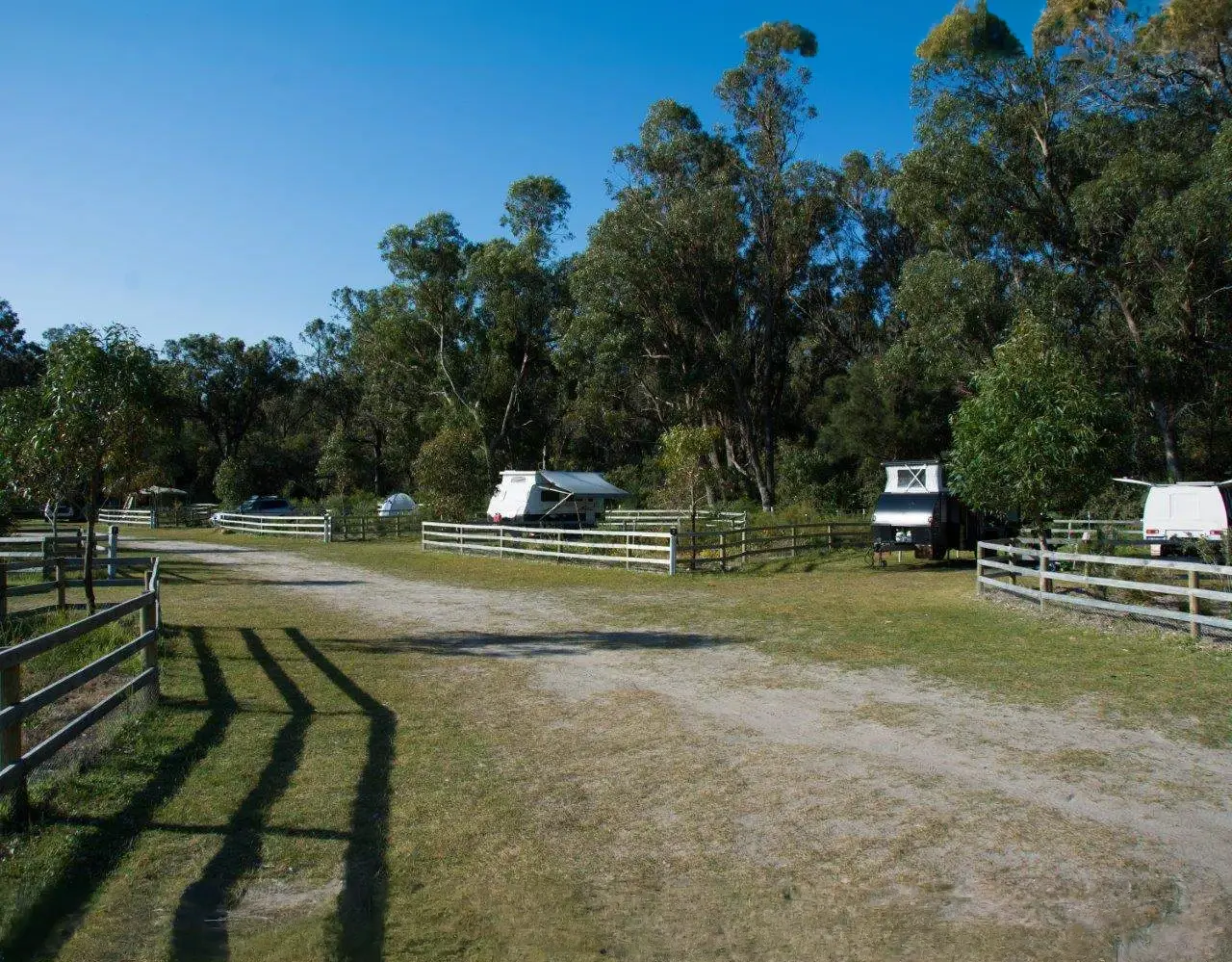
Henry White Oval Campground is a beautiful and peaceful campground in Western Australia. The campground is surrounded by natural bushland and is only a short drive away from the coast, making it the perfect location for nature lovers and beachgoers.
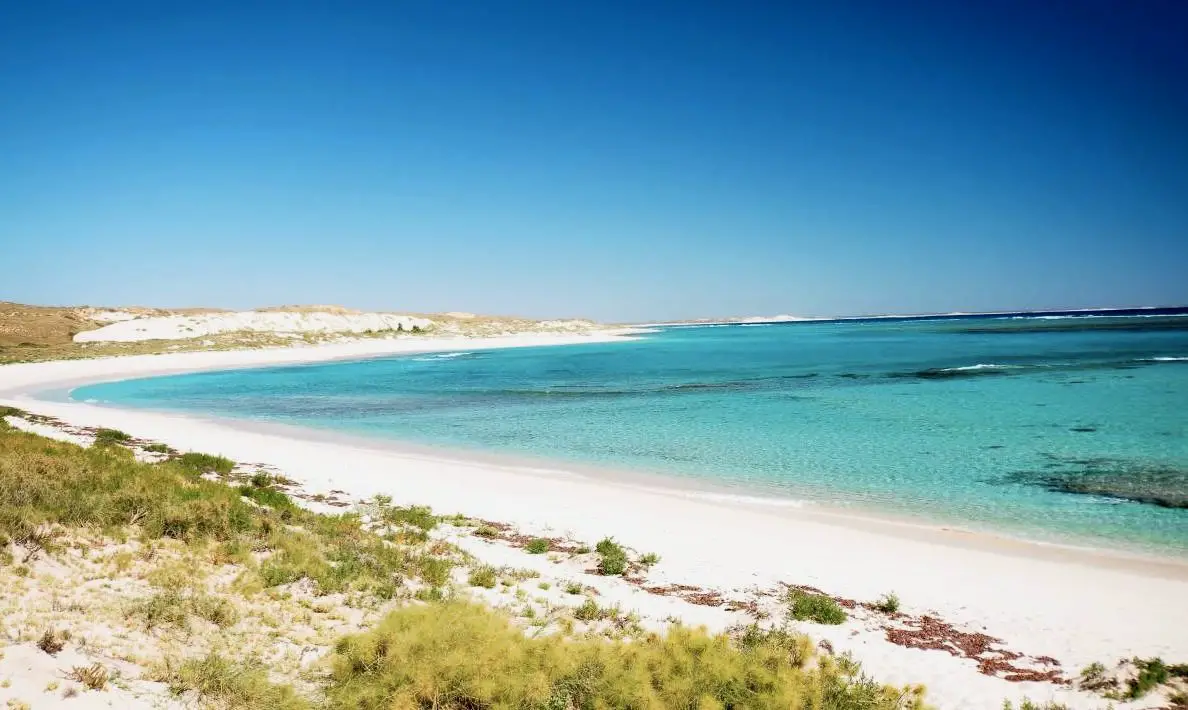
The Warroora Station camping spots are located next to the beautiful Ningaloo Marine Park. The stunning Warroora Station camping spots allow campers to stay alongside the coast and swim, snorkel or fish.
Relax, and enjoy the diverse range of wildlife the Warroora coast offers.
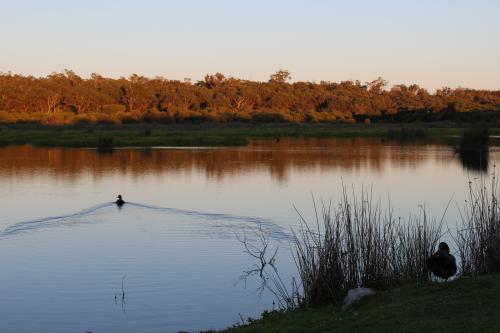
You won’t be disappointed no matter what outdoor experience you hope to have when visiting Yanchep National Park Campground. This peaceful sanctuary offers something for everyone.
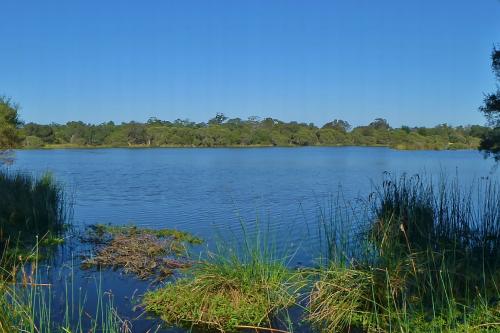
Loop the Lakes or just lounge at Yellagonga Regional Park.
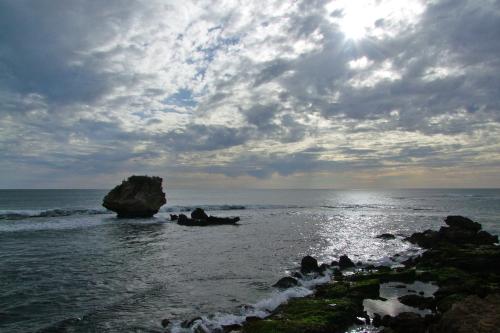
With bushland, seasonal lakes and ocean, there’s something for everyone.
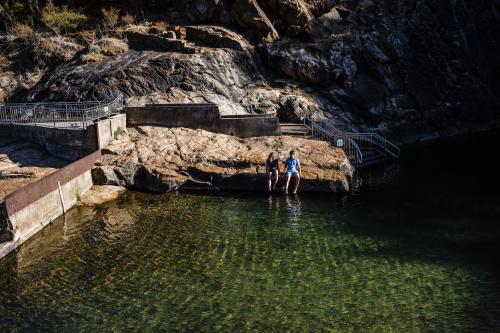
Fall for the beauty of Serpentine National Park, just an hour’s drive from Perth city.
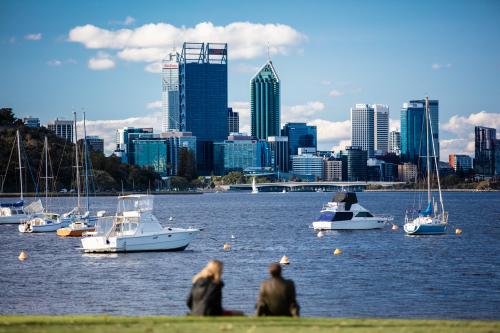
One of Perth’s most famous landmarks – the Swan and Canning rivers. It’s an incredible backdrop to the city of Perth with plenty of places to cycle, walk, swim, paddle, boat, fish...and see dolphins!
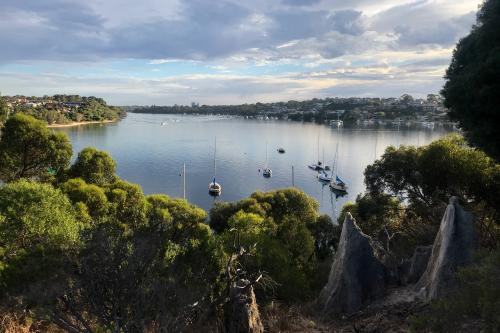
Enjoy three biologically important areas along Perth’s beautiful Swan River.
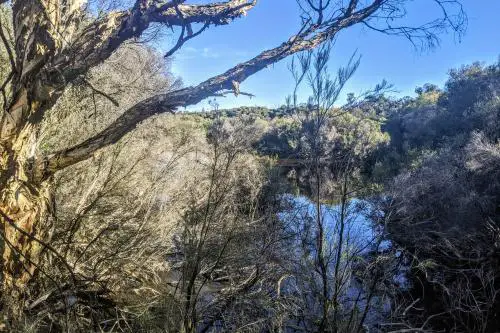
The two walk trails at The Spectacles have great opportunities for bird-watching. Interpretive signs explain the story of traditional life as told by a Nyoongar elder and there is a bird hide located in the wetlands.
Western Australia has a plethora of picturesque and stupefying scenery that will attract camping enthusiasts from all across the globe. By visiting these best camping spots in WA, you will not only get a scope to explore nature at its best but also allows you to take a quick break from the drudgeries of life.
If you are planning to go camping the coming spring, here are ten fantastic camping spots in WA awaiting you:
Karjini National Park has many camping grounds, and Karjoni Eco Retreat is the finest. You will find glamping tents equipped with flushing toilets and shower facilities. If you are planning to come here, make sure you have a few days in hand.
This national park feels like an oasis right at the heart of the desert. For those looking for a place to swim, the fishing spots will give you an engaging adventure. The walking trails are scenic and incredible. Stargazers and Miliyanha are fascinating campgrounds with tables and chairs for relaxing and enjoying your barbecue.
One of the best campsites in WA, Lucky Bay in Esperance, is a beach where you will wish to spend some time. It’s a secluded bay located at the centre of Cape Le Grange National Park and studded with gorgeous white sandy beaches and the clearest water you have ever seen. What’s more, you can find native kangaroos popping into your campsite. Since this place is trendy, book early, so your place is secure.
The scenic beauty of Francois Peron National Park is hard to believe until you see it with your eyes. With white sandy beaches, red cliffs, and clear blue waters, you cannot help but appreciate this fantastic camping spot. The place’s main attraction lies in the incredible sunsets, which suggests you should definitely add this place to your bucket list.
One of the most impressive camping spots in WA, the Honeymoon Pool, located at the banks of Collie River, is a peaceful and secluded place to spend a few days in. This place is equipped with only twenty tents for setting up at night. But there’s nothing to worry about since each has individual campsites. All you need to do is to set up the BBQ and enjoy under the shade of peppermint trees.
The Ningaloo Coastline is filled with unique places to set up your camp to explore. But if you are inclined towards an authentic outback experience, Bullara Station is a place you cannot miss. The working cattle station is armed with cottage and bush camping options, wood BBQs, camp kitchens, fire pits, and showers under the star.
Although Fair Harvest Permaculture farm has been in service since 1995, it’s been only a few years that the authorities have added glamping and camping to their list of eco-friendly adventures to take part in. From home-grown food to yoga classes to farmhouse strolling – you will have various activities to participate in.
If you love to camp, you already have visited Nanga Mill in Dwellingup on your bucket list. It was previously an old jarrah saw the site, and today, it is transformed into a lovely camping spot with tons of walking trails placed nearby.
This beachfront, natural camping ground is located about half an hour from Kalbarri. But you can access this place by 4WD. It’s situated between a number of sand dunes, indicating that if you come here with your friends and family, you can have a gala time fishing, swimming, and 4WDIng across the pristine white sand.
If you wish to explore this hidden gem in Albany, you will have to be self-sustainable and carry everything you need. Even though it might appear like a chore initially, this little piece of heaven is worth your time and effort. When you come to Waychinicup Inlet, don’t forget to be equipped with fishing gear.
If you are looking for free campsites in WA, you can visit Doolena Gorge and Niagara Dam. You won’t have to shell out a single cent to set up your camp in these brilliant waterholes. Moreover, the Niagara dam houses three designated sites you can enjoy.
There are several free sites to camp across Western Australia. Camping at any of the best camping spots or in a caravan is legal when you follow the authority’s guidelines.
Apart from the camping spots in WA mentioned above, several others are located by the beach. Some of the most famous ones are Belvidere, Conto Campground, Hamelin Bay, Herron Point, Moore River, and Coogee beach.
Some of the best aspects of Perth are that it’s very close to the water and the camping spots include Lake Leschenaultia Campsite, Guilderton Holiday Park, Logue Brook Campground, Hoffman, and Yarragil Campground in Lane Pool Reserve, and several others.
If you choose the camping spot carefully and drive from one spot to another without causing any disturbance to the surroundings, you are free to call anywhere in Western Australia. But this doesn’t imply that you can barge into someone’s private property.
When choosing the campsite, you must look for level ground, check the drainage facility, and proximity to high-traffic zones and see whether you can maximise the availability of sun and shade.
In addition to the above, remember to plan your trip and accommodation ahead of time. Prepare yourself well, respect wildlife, dispose of your waste appropriately, and be considerate of other campers.
